Meet Nicole
Atkins, RCC
A therapist supporting adults through life transitions, loss, relationship challenges, and complex trauma — when familiar ways of coping are no longer working.
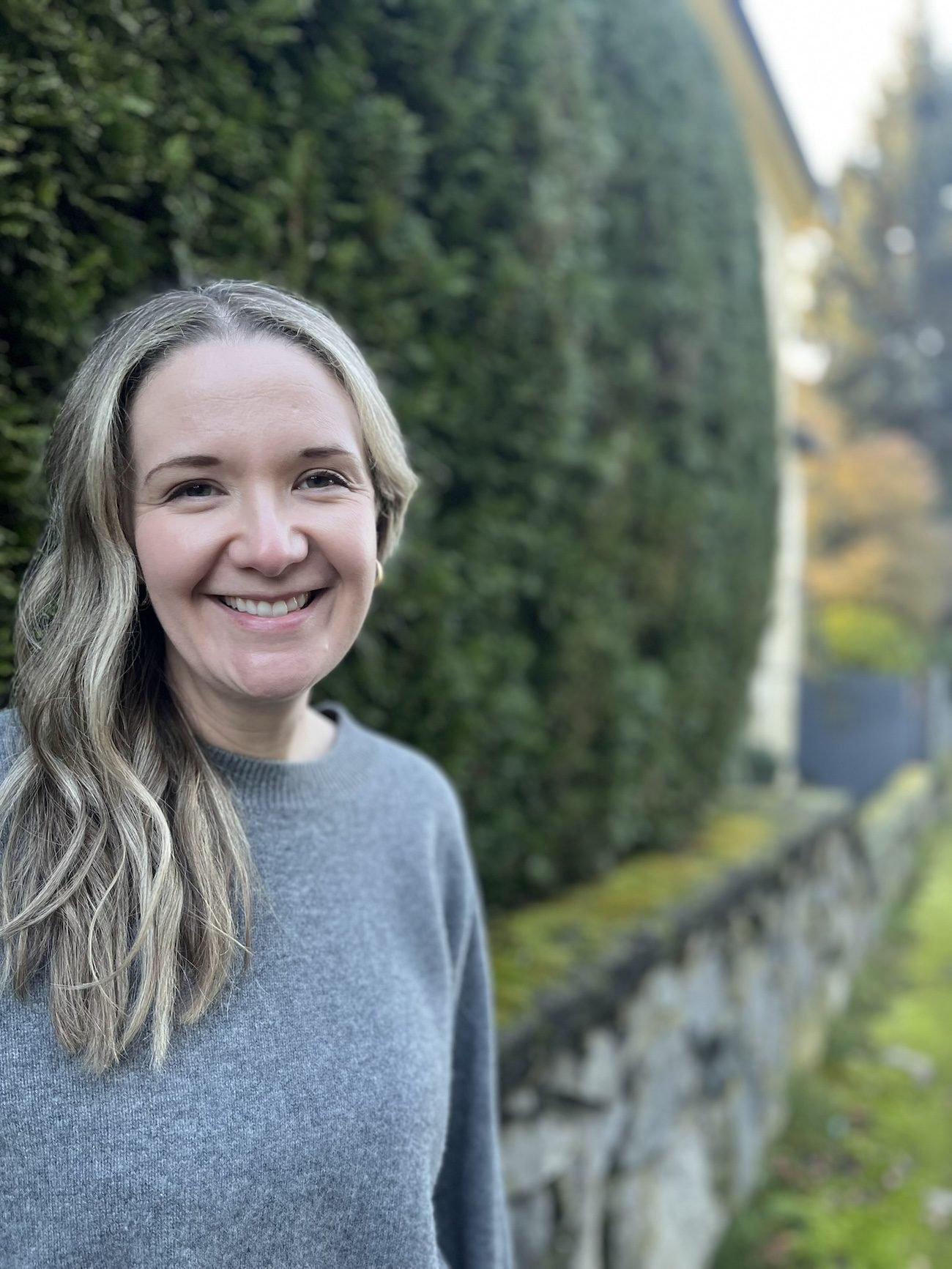
Meet Nicole Atkins
MC, BScEE, RCCI’m a Registered Clinical Counsellor in Vancouver, and I work with adults navigating life transitions, loss, relationship challenges, and complex trauma. I often meet people when familiar ways of coping are no longer working, and something needs care, attention, or a chance to be understood differently. My work supports people in reconnecting with themselves and building lives that feel more grounded, meaningful, and authentic.
Adults at meaningful
turning points.
I support adults who are navigating significant life events, or whose past is negatively shaping how they feel and function in the present.
From engineer
to therapist.
Periods of deep disruption have a way of clarifying what truly matters.
Before becoming a counsellor, I was an engineer. I chose the engineering path because it seemed to align my strengths in math and science with my desire to contribute to my community. While I valued the skills and experience engineering gave me, the work often felt disconnected from the people and relationships that mattered most to me. It wasn’t until I encountered my own unexpected life transition that I allowed myself to reimagine what meaningful work could look like.
I chose to become a therapist intentionally. For me, what truly matters has always been relationships, both with ourselves and with the people we live our lives beside. As a therapist, I get to support people in strengthening those connections, fostering self-understanding, and creating relationships that are more authentic and more nourishing. I work one-on-one with my clients, and while therapy happens individually, when someone reclaims their authentic sense of self, one that is confident, curious, compassionate, present, and playful, it often creates positive ripple effects in the relationships around them.
I genuinely love being a therapist. It is a great privilege to walk alongside people as they face their most important challenges, make new connections, and discover their own capacity for change. I am continually moved by the courage, creativity, and resilience I witness in this work.
Holding what is difficult
with what is possible.
Client-centred. Collaborative. Tailored to you.Together, we identify what is not working, clarify what matters to you, and shape therapeutic goals that are meaningful and sustainable in your life. Your time is valuable, and it matters to me that you feel heard and understood, and that your hopes are honoured.
I believe therapy should respect your emotional and energetic capacity. Some sessions bring insight, others bring rest, clarity, connection, or a small but meaningful shift. Sometimes the work feels big, and sometimes it is subtle. My intention is that every session matters and that our time together is used with care and purpose.
Therapy is not one size fits all.
Evidence-based methods, tailored to your needs and goals.Trauma-Informed
Recognising how systems of power, oppression, and lived experience shape our mental health. I work collaboratively and with care to ensure therapy feels respectful, culturally responsive, and safe, particularly for those who have experienced trauma or marginalisation.
Our early relationships shape how we connect, cope, and protect ourselves. This approach focuses on patterns in relationships past and present, and supports you in building greater safety, trust, and closeness with others, including within the therapeutic relationship.
CBT helps identify patterns of thinking and behaviour that may be contributing to distress. Together we explore practical strategies to shift unhelpful thought cycles, manage symptoms, and build skills that support emotional regulation and day-to-day functioning.
Eye Movement Desensitisation and Reprocessing is an evidence-based therapy used to process distressing or traumatic experiences. It supports the nervous system in integrating memories so they feel less overwhelming and have less impact on the present.
Faith-Informed Counselling honours the role Christian/Catholic faith and spirituality may play in how people understand suffering, relationships, identity, hope and healing. It recognizes that faith, spirituality, and personal values are often deeply connected to a person’s identity, relationships and sense of meaning.
Client-Centred
This approach emphasises empathy, authenticity, and your innate capacity for growth. Therapy is guided by your goals and experiences, with a focus on creating a supportive space where you feel understood and accepted as you are.
Parts work recognises that we all have different parts of ourselves that carry emotions, beliefs, and protective roles. By understanding and working with these parts, we can reduce inner conflict, increase self-compassion, and create meaningful, sustainable change.
Education and training.
RCC #23571
and Reprocessing
If you’d like to talk,
I’d love to hear from you.
Book a free 15-minute call to ask questions, hear my voice, and feel into whether working together feels right.